Maohi Nui – Bora Bora Lagoon Tours and Polynesian Culture
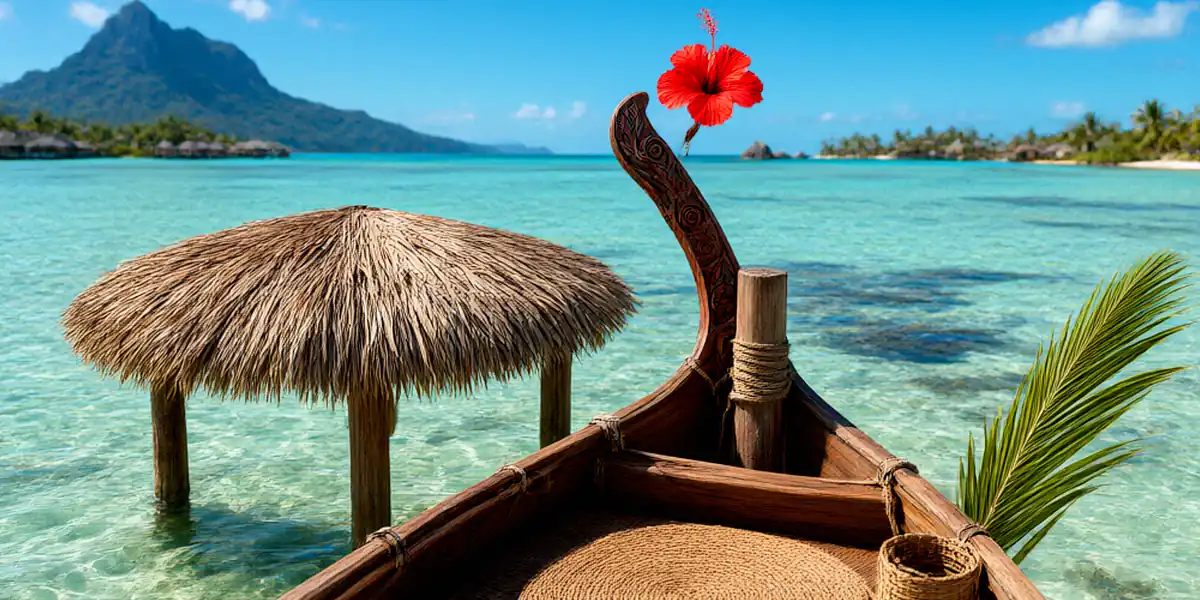
We still remember it like it was yesterday. After a long journey from Australia, we were somewhere over the South Pacific on an Air Tahiti flight, tired but buzzing with anticipation, when the woman next to us gently tapped the window and pointed down. We looked, and there it was — Bora Bora. A ring of emerald motus encircling a lagoon so impossibly blue that it looked like someone had Photoshopped reality. Mount Otemanu rose from the centre of the island like a sleeping giant, and the water shimmered in shades of turquoise we didn’t even know existed. In that moment, every cliché we’d ever heard about this place suddenly made perfect sense. For Australian travellers dreaming of a South Pacific escape, Bora Bora isn’t just another tropical holiday — it’s the tropical holiday. And through our site, Maohi Nui, we want to help you experience it the right way: through its lagoon, its people, and its living Polynesian culture.
Why Bora Bora Should Be on Every Australian’s Bucket List
Ask most Australians where they’d go for the ultimate island getaway and you’ll hear the usual suspects: Fiji, the Whitsundays, maybe Vanuatu or the Cook Islands. All wonderful. But Bora Bora sits in a category of its own, and we genuinely believe every Aussie with a passport and a sense of adventure should have it on their list. It’s closer than you think, it’s easier to navigate than you might expect, and the lagoon itself is unlike anything you’ll find closer to home.
French Polynesia — the sprawling collection of 118 islands and atolls that includes Tahiti, Moorea, Bora Bora, and the Tuamotus — has been quietly courting Australian travellers for years. The Islands of Tahiti tourism board has ramped up its presence in the Australian market, recognising that we’re a nation of beach lovers who understand the value of a proper lagoon. And honestly, they’re right. We get it. We live for this stuff.
The Allure of French Polynesia for Aussies
There’s something about French Polynesia that feels both familiar and wonderfully foreign. The climate is similar to what we know from Queensland — warm, humid, with that soft tropical air — but the culture is entirely its own. This is Maohi territory, the ancestral homeland of the Polynesian people, with a language, cuisine, and rhythm of life that’s distinctly different from the Melanesian cultures we know from Fiji and Vanuatu.
Getting there has become more straightforward too. Air Tahiti Nui, the flag carrier of French Polynesia, offers direct flights from Sydney to Papeete (seasonal), which is a game-changer for Australian travellers. Depending on the time of year, you can also connect through Auckland or Los Angeles, both of which have well-established routes to Tahiti’s Faa’a International Airport. From Papeete, a short domestic hop with Air Tahiti gets you to Bora Bora in around 50 minutes — and yes, you’ll want a window seat for the approach.
What we love most about French Polynesia for Australians is the ease of the experience. English is widely spoken in tourism, the infrastructure is excellent, and the pace of life encourages you to slow down. You don’t need to be a seasoned adventurer to enjoy it. You just need to be willing to switch off, jump in the water, and let the lagoon do its thing.
Bora Bora vs. Great Barrier Reef: A Fair Comparison?
We get asked this a lot, and it’s a fair question. Australians are rightly proud of the Great Barrier Reef — it’s one of the natural wonders of the world, and nothing we say here diminishes that. But comparing the two is a bit like comparing a rainforest to a coral atoll. They’re different experiences entirely.
The Great Barrier Reef is vast, wild, and best explored over multiple days by liveaboard or from coastal hubs like Cairns and Port Douglas. It’s about scale and biodiversity on an enormous level. Bora Bora’s lagoon, by contrast, is intimate. It’s a contained, protected world of shallow turquoise water, coral gardens, and marine life that you can explore in a single day. The visibility is often staggering — 30 metres or more on a good day — and the colours of the lagoon itself are almost surreal.
Where Bora Bora wins for us is the combination of the lagoon and the culture. You’re not just snorkelling; you’re snorkelling in a place where Polynesian families have fished and navigated for centuries, where the mountain in the background is a sacred site, and where the welcome feels genuinely warm. That’s the difference. The Great Barrier Reef is a natural marvel; Bora Bora is a natural marvel wrapped in a living culture.
Best Time to Visit from Australia
French Polynesia enjoys a tropical climate with two main seasons: the dry season (roughly May to October) and the wet season (November to April). For Australian travellers, the dry season aligns beautifully with our winter — think warm, sunny days, lower humidity, and calm lagoon conditions that are ideal for snorkelling and lagoon tours. This is peak season, so expect higher prices and busier resorts.
The wet season brings warmer temperatures, higher rainfall, and the occasional cyclone risk, but it also brings lower prices and fewer crowds. We’ve travelled in both seasons and honestly enjoyed both, though if you’re planning a lot of time on the water, the dry season is safer for reliable conditions.
One thing to keep in mind: the Heiva festival, French Polynesia’s biggest cultural celebration, takes place in July. If you’re keen to experience traditional dance, music, and sport at its most spectacular, plan your trip around it. More on that shortly.
Our Favourite Bora Bora Lagoon Tours and Snorkelling Spots
The lagoon is the heart of Bora Bora, and there’s no better way to experience it than on a guided tour. We’ve spent countless hours on the water here — snorkelling, cruising, picnicking on motus — and we’ve narrowed down our favourites to help you plan a day (or several) that you’ll never forget.
Top Snorkelling Sites: Coral Gardens, Stingray City, and the Aquarium
Bora Bora’s lagoon is dotted with snorkelling sites, each with its own character. These are the three we keep coming back to:
- Coral Gardens: Located in the lagoon’s shallower reaches, the Coral Gardens are a kaleidoscope of hard and soft corals teeming with tropical fish — parrotfish, butterflyfish, clownfish, and more. The water is calm and shallow, making it perfect for beginners and families. We love it for the sheer density of life; you don’t have to swim far to see something remarkable.
- Stingray City: A favourite for good reason. Here, in waist-deep water, you’ll encounter friendly stingrays (and often blacktip reef sharks) gliding around your feet. The rays are accustomed to visitors and will swim right up to you. It’s a magical experience, though we always remind people to respect the animals — no grabbing, no chasing, just observe and enjoy.
- The Aquarium: Not far from Stingray City, the Aquarium is a naturally sheltered spot where the coral comes right up to the surface and the fish life is extraordinary. It’s like snorkelling inside a giant fish tank — hence the name. The visibility here is often superb, and it’s a great spot for underwater photography.
Beyond these three, there are countless other spots — the outer reef, the drop-offs near the motus, and the deeper channels where you might spot manta rays or eagle rays. A good guide will know exactly where to take you based on the day’s conditions.
Lagoon Tour Operators We Trust
We’ve been out with many operators over the years, and two consistently stand out for us: Lagoon Service Bora Bora and Reef Discovery. Both are well-established, safety-conscious, and staffed by guides who genuinely love the lagoon and know its secrets.
Lagoon Service Bora Bora is a family-run operation that offers full-day and half-day lagoon tours, typically including snorkelling stops, a visit to Stingray City, and a motu picnic. Their guides are warm, knowledgeable, and often share stories about Polynesian culture alongside the marine biology. We’ve found their small-group approach particularly appealing — you’re not crammed onto a boat with 40 other people.
Reef Discovery is another excellent choice, known for its eco-focused tours and smaller vessels. They’re particularly good for travellers who want a more personalised experience, and their guides are skilled at finding quieter snorkelling spots away from the crowds. If you’re interested in the ecology of the lagoon — how the coral is faring, what conservation efforts are underway — Reef Discovery is a great pick.
Booking tips: In peak season (June to September), tours fill up quickly, so book at least a few weeks in advance, ideally before you leave Australia. Most operators can be booked online, and many accept credit cards. If you’re staying at a resort, the concierge can often arrange tours for you, though booking direct is usually cheaper.
What to Bring on a Lagoon Tour
A day on the lagoon is one of the great pleasures of travel, but a little preparation goes a long way. Here’s what we always pack:
- Reef-safe sunscreen: Essential. Many operators and resorts in French Polynesia ask guests to use reef-safe products to protect the coral. Bring your own — it can be expensive locally.
- Rash vest or UV shirt: The tropical sun is fierce, and even with sunscreen, you’ll want extra protection, especially on your back and shoulders while snorkelling.
- Snorkel gear: Most tours provide masks and fins, but if you have your own mask that fits well, bring it. A comfortable mask makes a huge difference.
- Underwater camera or GoPro: You’ll regret not having one. The lagoon is photogenic above and below the water.
- Dry bag: For phones, cameras, and anything else you don’t want to get wet.
- Light towel and a change of clothes: You’ll likely be in and out of the water all day.
- Cash (Pacific Francs): For tips, snacks, or small purchases. More on currency later.
- Reusable water bottle: Stay hydrated. Some operators provide water, but it’s good to have your own.
Most full-day tours include lunch — often a motu picnic with grilled fish, fresh fruit, and local specialties. If you have dietary requirements, let the operator know when you book.
Diving into Polynesian Culture: Beyond the Lagoon
As much as we love the lagoon — and we really, truly do — Bora Bora and the wider Society Islands are about more than water. This is the heartland of Maohi culture, a Polynesian world that stretches back thousands of years. To visit Bora Bora without engaging with its culture is to miss half the point.
The Meaning of Maohi Nui and Polynesian Identity
We named our site Maohi Nui for a reason. In the Tahitian language, Maohi refers to the indigenous Polynesian people of French Polynesia — the descendants of the great navigators who settled these islands centuries before Europeans arrived. Nui means “great” or “large.” So Maohi Nui, roughly translated, speaks to the greatness of the Maohi people, their culture, and their enduring connection to the land and sea.
Polynesian identity is deeply rooted in genealogy, oral tradition, and a profound relationship with nature. The Maohi people navigated vast stretches of the Pacific using the stars, ocean currents, and the flight patterns of birds. They built marae — sacred stone platforms used for ceremonies and community gatherings — and developed a rich tradition of dance, music, tattooing, and storytelling that continues to this day.
When you visit Bora Bora, you’re not just visiting a resort destination. You’re visiting the ancestral home of a proud and resilient culture. We encourage every traveller to seek out cultural experiences, ask questions respectfully, and support local artisans and performers.
Traditional Dance and Music: Heiva and Tamaaraa
If you have any interest in Polynesian culture, you’ve probably heard of the Heiva. It’s French Polynesia’s biggest annual cultural festival, held every July in Papeete and across the islands. Heiva is a month-long celebration of traditional dance, music, sport, and craft — a vibrant, competitive showcase of Maohi identity. Dance groups from across the islands compete in elaborate performances that tell stories of history, legend, and everyday life. The drumming alone is worth the trip.
If you can’t make it to Heiva, don’t worry — you’ll still find plenty of cultural performances in Bora Bora. Many resorts host tamaaraa (traditional feasts and dance shows), and there are smaller cultural events throughout the year. We’ve watched dance performances at sunset, with the lagoon in the background and the drums echoing across the water, and it’s genuinely spine-tingling.
Music is the heartbeat of Polynesian culture. Traditional instruments include the pahu (a large drum made from a hollowed tree trunk covered with shark skin) and the vivo (a nose flute). Contemporary Polynesian music blends these traditions with modern styles, and you’ll hear it everywhere — in restaurants, on boats, and drifting from village halls.
Polynesian Tattoo and Art
Tattooing in Polynesia is an ancient art form with deep spiritual significance. Traditionally, tattoos marked a person’s genealogy, social status, and life achievements. The art was nearly lost during the colonial era, when missionaries discouraged the practice, but it has undergone a powerful revival in recent decades. Today, skilled Maohi tattoo artists create intricate designs that honour their ancestors while expressing contemporary identity.
If you’re considering getting a tattoo in French Polynesia, do your research. Choose an artist who is respected in the community and who understands the cultural significance of the motifs. This isn’t a souvenir — it’s a mark of respect. We’ve met travellers who’ve had pieces done in Bora Bora and Moorea, and they speak of the experience as transformative.
Beyond tattooing, Polynesian art includes woodcarving, weaving, and the creation of pareu (traditional wraparound garments) printed with vibrant designs. You’ll find local artisans selling their work at markets and roadside stalls, and buying directly from them is one of the best ways to support the local economy.
Planning Your Bora Bora Trip: Practical Tips for Australians
Planning a trip to Bora Bora from Australia takes a bit of forethought, but it’s entirely manageable. Here’s what we’ve learned from our own travels and from countless conversations with fellow Aussies who’ve made the journey.
Flights and Entry Requirements
As mentioned earlier, Air Tahiti Nui offers direct flights from Sydney to Papeete (seasonal), which is the simplest routing. Alternatively, you can fly via Auckland (Air New Zealand and Air Tahiti Nui both operate this route) or via Los Angeles (Air Tahiti Nui, Air France, and others). Flight times vary — Sydney to Papeete is around 7-8 hours direct, while via Auckland it’s roughly 3 hours to Auckland plus 5 hours to Papeete.
Australian passport holders don’t need a visa for stays of up to 90 days in French Polynesia, which is a relief. You will need a valid passport with at least six months’ validity, proof of onward travel, and evidence of sufficient funds. It’s also worth checking the latest entry requirements closer to your departure, as rules can change.
Once you arrive in Papeete, you’ll need a domestic flight to Bora Bora with Air Tahiti. These flights are frequent and relatively short, but they do book out, so reserve your seat when you book your international flights if possible.
Where to Stay: Resorts vs. Pensions
Bora Bora offers a range of accommodation, from world-famous luxury resorts to simple family-run guesthouses. The choice really depends on your budget and what kind of experience you’re after.
- Luxury resorts: Names like the Four Seasons Resort Bora Bora, St. Regis, and InterContinental are synonymous with overwater bungalows, private beaches, and impeccable service. This is the Bora Bora of postcards — and it’s genuinely spectacular. Expect to pay accordingly. If you’re celebrating a honeymoon or a special occasion, it’s worth the splurge.
- Mid-range hotels and boutique properties: There are a number of smaller hotels and guesthouses on the main island and on the motus that offer comfortable rooms, often with lagoon access, at more reasonable prices. These can be a great compromise if you want comfort without the five-star price tag.
- Pensions (family-run guesthouses): For a more authentic, budget-friendly experience, consider a pension. These are small, family-run accommodations, often on the main island or on a motu, where you’ll get a warm welcome, home-cooked meals, and a genuine insight into local life. We’ve stayed in pensions and loved the personal touch — the owners often become friends by the end of your stay.
One tip: if you’re staying on the main island (Vaitape side) rather than a motu, you’ll need to factor in boat transfers to reach the best snorkelling spots and resorts. Many pensions offer kayaks or can arrange lagoon tours, so it’s not a problem, but it’s worth planning for.
Budgeting and Currency Tips
French Polynesia is not a cheap destination, and Bora Bora is the most expensive island in the group. That said, with careful planning, you can manage costs. Here’s what to keep in mind:
- Currency: The local currency is the Pacific Franc (XPF). It’s pegged to the euro, so exchange rates are relatively stable. You can withdraw XPF from ATMs in Papeete and Bora Bora, though ATMs on Bora Bora are limited, so bring some cash with you.
- Australian dollars: While the Pacific Franc is the official currency, Australian dollars are sometimes accepted at larger resorts and tourist-oriented businesses. Don’t rely on it, though — it’s always better to have local currency on hand.
- Credit cards: Major credit cards (Visa, Mastercard) are widely accepted at resorts, restaurants, and tour operators. Smaller pensions and local markets may prefer cash.
- Budgeting: As a rough guide, a mid-range day (accommodation, meals, one activity) might cost AUD 300-500 per person, while a luxury day can easily exceed AUD 1,000. Budget travellers staying in pensions and self-catering can keep costs lower.
- Tipping: Tipping is not customary in French Polynesia, though it’s appreciated for exceptional service. Rounding up or leaving small change is fine.
Our Team’s Top Recommendations for an Unforgettable Bora Bora Experience
After many trips to Bora Bora, we’ve distilled our advice down to a handful of experiences that we believe capture the essence of the place. If you do nothing else, do these.
Must-Do Experiences: Sunset Cruise, Motu Picnic, and More
- Sunset cruise: There’s nothing quite like being on the lagoon as the sun dips behind Mount Otemanu, the sky turning pink and gold, and the water reflecting it all back at you. A sunset cruise with a small operator — often including a glass of champagne or a local cocktail — is pure magic. We’ve done it multiple times and it never gets old.
- Motu picnic: Many lagoon tours include a stop at a private motu (small islet) for a picnic lunch. Fresh grilled fish, poisson cru (Tahitian raw fish salad), tropical fruit, and cold drinks, all served on a white-sand beach with the lagoon at your feet. It’s the kind of meal you remember for years.
- Learn a few Tahitian phrases: A little language goes a long way. Ia ora na means hello. Mauruuru means thank you. Nana is goodbye. Using these phrases — even imperfectly — will earn you smiles and open doors. The Maohi people are warm and welcoming, and they appreciate the effort.
- Visit a marae: These ancient stone platforms are sacred sites, and visiting one with a knowledgeable guide offers a window into Polynesian spirituality and history. It’s a humbling experience.
- Kayak or paddleboard the lagoon: If you want to explore at your own pace, rent a kayak or paddleboard and glide across the calm water. You’ll see fish, coral, and maybe a ray or two, all without the noise of a motor.
Supporting Local Communities
Responsible tourism matters, especially in a place like Bora Bora where the gap between resort luxury and local life can be significant. Here’s how we try to travel thoughtfully:
- Book tours with local, family-run operators rather than large international companies.
- Buy crafts, pareu, and souvenirs directly from artisans and local markets.
- Eat at local restaurants and food trucks (called roulottes in Papeete) rather than only at resort restaurants.
- Respect the environment: use reef-safe sunscreen, don’t touch the coral, and don’t feed the fish.
- Learn about the culture before you arrive, and engage with it respectfully.
Final Thoughts: Why We Keep Returning
People often ask us why we keep going back to Bora Bora. It’s a long way from home, it’s expensive, and there are plenty of other beautiful islands in the world. But Bora Bora has a hold on us. It’s the light on the lagoon in the early morning. It’s the sound of drums at a tamaaraa. It’s the taste of poisson cru eaten on a motu with sand between our toes. It’s the warmth of the people, who welcome visitors with genuine hospitality and share their culture with pride.
Bora Bora isn’t just a destination. It’s a reminder of what travel can be at its best — a meeting of natural beauty and human culture, a chance to slow down and pay attention, and an invitation to see the world through someone else’s eyes. For Australian travellers, it’s a South Pacific dream that’s closer and more accessible than you might think.
FAQ
Do Australians need a visa to visit Bora Bora?
No. Australian passport holders can visit French Polynesia visa-free for stays of up to 90 days. You’ll need a passport valid for at least six months beyond your intended departure date, proof of onward travel, and evidence of sufficient funds for your stay. Always double-check current entry requirements before you travel, as policies can change.
What’s the best way to get to Bora Bora from Australia?
Air Tahiti Nui offers direct flights from Sydney to Papeete (seasonal). Alternatively, you can fly via Auckland or Los Angeles. From Papeete, a short domestic flight with Air Tahiti takes you to Bora Bora in about 50 minutes. We recommend booking your domestic connection at the same time as your international flights to ensure availability.
Is Bora Bora expensive compared to other Pacific destinations?
Yes, Bora Bora is one of the more expensive destinations in the South Pacific, particularly if you stay at luxury resorts. However, there are more affordable options, including pensions and mid-range hotels. Budget travellers can keep costs down by staying in family-run guesthouses, eating at local spots, and choosing smaller group tours.
Can I use Australian dollars in Bora Bora?
The official currency is the Pacific Franc (XPF). While Australian dollars are sometimes accepted at larger resorts and tourist-oriented businesses, it’s not guaranteed. We recommend exchanging some money into XPF or withdrawing from ATMs (available in Papeete and limited on Bora Bora) and carrying cash for smaller purchases.
What is the best time of year to visit Bora Bora from Australia?
The dry season, from May to October, offers the most reliable weather, with sunny days, lower humidity, and calm lagoon conditions. This aligns nicely with the Australian winter. The wet season (November to April) brings warmer temperatures, more rain, and lower prices. If you want to experience the Heiva festival, plan your trip for July.
Ready to experience the magic of Bora Bora for yourself? We encourage you to book with local operators like Lagoon Service Bora Bora and Reef Discovery, embrace the Maohi spirit, and let the lagoon work its spell. Ia ora na — and we’ll see you on the water.
Latest articles
- Traditional Polynesian Wedding Ceremonies
 Traditional Polynesian Wedding Ceremonies: A Guide for Australian Couples in Bora Bora The sun drops behind Mount Otemanu and the lagoon turns…
- The Meaning of Mā’ohi
 The Meaning of Mā’ohi: Understanding Polynesian Identity in Bora Bora You step off the boat at a motu — a small islet…
- Snorkelling with Rays and Reef Sharks
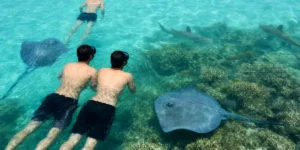 Snorkelling with Rays and Reef Sharks in Bora Bora: A Complete Guide We remember the first time we slipped off the back…
- Poisson Cru: Tahiti’s National Dish
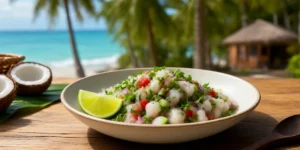 Poisson Cru: Tahiti’s National Dish and the Soul of French Polynesia The boat rocks gently as our guide lifts a bowl from…
- Overwater Bungalow or Guesthouse?
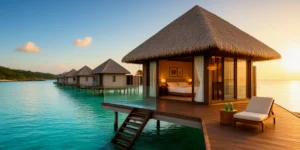 Overwater Bungalow or Guesthouse: Which Bora Bora Stay Is Right for You? We’ll start with the honest truth: the postcard-perfect overwater bungalow…
- Outrigger Canoes: A Polynesian Tradition
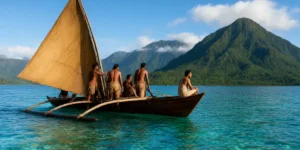 Outrigger Canoes: A Polynesian Tradition Picture the silhouette of an outrigger canoe cutting across the lagoon as the sun drops behind Mount…